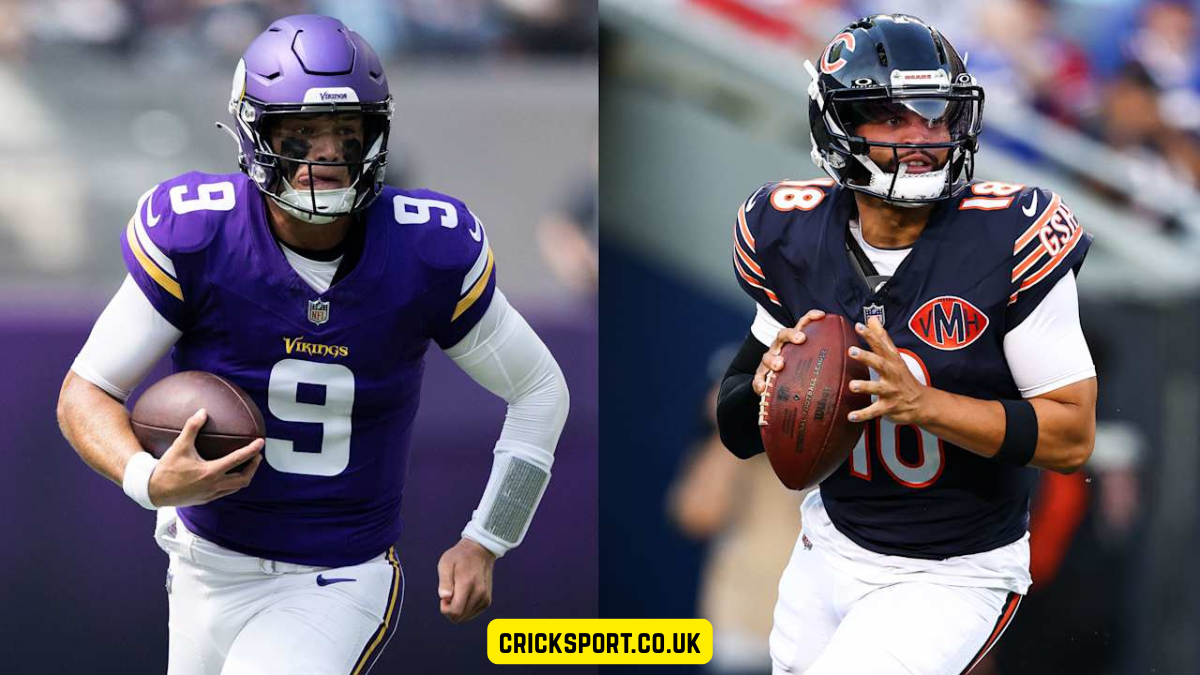
The minnesota vikings vs chicago bears match player stats create one of the most talked-about breakdowns in the NFL rivalry landscape. Every season, fans analyze how the individual and team performances shape the direction of this historic matchup. With powerful offenses, shifting defensive strategies, and dynamic playmakers on both sides, this rivalry delivers statistics that speak louder than highlight reels. The minnesota vikings vs chicago bears match player stats allow fans to understand not only who performed well but also what each team must adjust for future games.
This rivalry has always captured national attention, and because of that, evaluating minnesota vikings vs chicago bears match player stats becomes essential for anyone following the progression of the NFC North. Whether you analyze passing efficiency, defensive pressure, receiving threats, or special teams momentum, these stats reveal the deeper story behind the game. They show trends, expose weaknesses, and highlight players who step up in critical situations, helping fans form a complete understanding of how the matchup unfolds.
Understanding the Significance of minnesota vikings vs chicago bears match player stats
The minnesota vikings vs chicago bears match player stats matter because they provide a factual representation of performance in a rivalry built on intensity and strategy. Stats help determine how each team executed its game plan, which players delivered under pressure, and how momentum shifts influenced the scoreboard. Fans, analysts, bettors, and coaches look at these metrics to evaluate how the matchup truly played out beyond just final scores. The stats offer a clear breakdown of strengths, weaknesses, and key turning points inside the rivalry.
Another important reason why minnesota vikings vs chicago bears match player stats hold significance is because they help predict future outcomes. When analyzing trends such as quarterback performance, defensive success rates, rushing ability, and red-zone efficiency, fans can create informed expectations for upcoming matchups. These stats also highlight which players influence the rivalry the most, revealing patterns that shape long-term competition. Understanding these analytical layers brings greater clarity to one of the NFL’s most competitive divisional battles.
Key Offensive minnesota vikings vs chicago bears match player stats
The offensive side of the minnesota vikings vs chicago bears match player stats often showcases the talent and creativity of both teams. Quarterback performance typically sets the tone, whether through passing yards, completion percentages, or the ability to overcome defensive pressure. In many games between the Vikings and Bears, quarterbacks either rise to the moment or struggle against complex defensive looks. These stats highlight their accuracy, mobility, pocket presence, and decision-making, showing how each offensive scheme adapts to the rivalry’s intensity.
Rushing stats also play a major role in the minnesota vikings vs chicago bears match player stats. The running backs often determine how effectively each team controls the pace of the game. Yards after contact, explosive runs, red-zone attempts, and ball security all contribute to understanding how the ground game shapes the matchup. Similarly, wide receivers and tight ends become key elements, with targets, receptions, yards after catch, and big-play moments defining the offensive success of both sides. These receiving metrics help explain which players consistently create separation and influence game flow.
Defensive minnesota vikings vs chicago bears match player stats Evaluation
Defense is where the rivalry often becomes most intense, and the minnesota vikings vs chicago bears match player stats highlight how much defensive units shape the final outcome. The defensive line stats—such as sacks, pressures, and run-stopping efficiency—show which team controlled the line of scrimmage. When the defensive front consistently disrupts the quarterback or limits rushing lanes, the entire dynamic of the game shifts. These stats reveal the real impact of defensive power and physicality.
Linebackers and the secondary also play crucial roles in the minnesota vikings vs chicago bears match player stats. Tackles, forced fumbles, pass breakups, coverage assignments, and interceptions show how effectively these units protect the field and prevent explosive plays. Many defining moments in this rivalry come from defensive players making game-changing stops or turnovers at critical times. Their stats highlight exactly how these defensive heroes shaped the flow, strategy, and final outcome of each meeting.
Special Teams minnesota vikings vs chicago bears match player stats Impact
Special teams performances appear in nearly every major analysis of minnesota vikings vs chicago bears match player stats because field position frequently determines who gains early momentum. Kickers influence scoring with accuracy, long-distance attempts, and consistency under pressure. The stats also reflect how punters control the field by pinning opponents deep or flipping field position during key drives.
Return units add another layer of excitement within the minnesota vikings vs chicago bears match player stats. Kick and punt returns create dynamic opportunities to change the game instantly. Big returns, coverage breakdowns, and blocked kicks often become unforgettable moments in this rivalry. By examining special teams stats, fans understand how hidden factors influence the matchup and contribute to final scoring results.
Team Comparison and minnesota vikings vs chicago bears match player stats Insights
Comparing both teams through minnesota vikings vs chicago bears match player stats reveals which side held advantages in certain areas. One team may dominate passing metrics while the other wins the defensive battle. By evaluating strengths and weaknesses, fans gain a clear understanding of how each team responded to challenges. This comparison also exposes which coaching decisions had the greatest effect on performance.
These insights from minnesota vikings vs chicago bears match player stats help predict future matchups and identify long-term patterns. Whether the Vikings rely heavily on explosive receivers or the Bears depend on defensive turnovers, the stats paint a clear picture of evolving strategies. Each meeting between these teams adds new statistics that build on the rivalry’s story, giving fans a deeper connection to every game that follows.
Conclusion
The minnesota vikings vs chicago bears match player stats reveal the true heart of this historic NFL rivalry. By analyzing offensive, defensive, and special teams performances, fans gain a complete view of how each matchup unfolds. These stats bring clarity to strategies, highlight standout athletes, and showcase how competitive and unpredictable this divisional battle remains. Understanding the numbers behind the game enriches the fan experience and strengthens the appreciation of every play, every drive, and every outcome between these two teams.
As the rivalry continues to evolve, minnesota vikings vs chicago bears match player stats will guide predictions, inspire debate, and fuel excitement for every future showdown. Whether you follow the rivalry for tradition, statistics, or pure excitement, these metrics remain the foundation of understanding how each chapter of this matchup is written.
Frequently Asked Questions (FAQs)
What makes minnesota vikings vs chicago bears match player stats important?
They highlight exactly how each team performed across offense, defense, and special teams, offering a clear, data-driven picture of the rivalry.
Which players usually stand out in the rivalry?
Quarterbacks, pass rushers, and top receivers often create the biggest statistical impact.
How do stats help predict future outcomes?
Consistent trends in passing efficiency, defensive strength, and turnovers often indicate which team may have an advantage in upcoming games.
Which defensive stats matter most?
Sacks, interceptions, pressures, tackles for loss, and coverage success rate heavily influence momentum and outcomes.
How do special teams stats affect the game?
Field position changes, accurate kicking, and big returns frequently shift momentum and influence scoring.