Irri Sys: The Clear, Helpful Guide People Keep Searching For
An irri sys is a smart way to deliver water to plants without guesswork. Whether you manage a small backyard garden or a larger growing area, the right setup can save time, cut waste, and keep plants steady through heat. This guide explains everything in simple words, with real examples, easy steps, and a complete table to compare options.
What “Irri Sys” Means in Simple Words
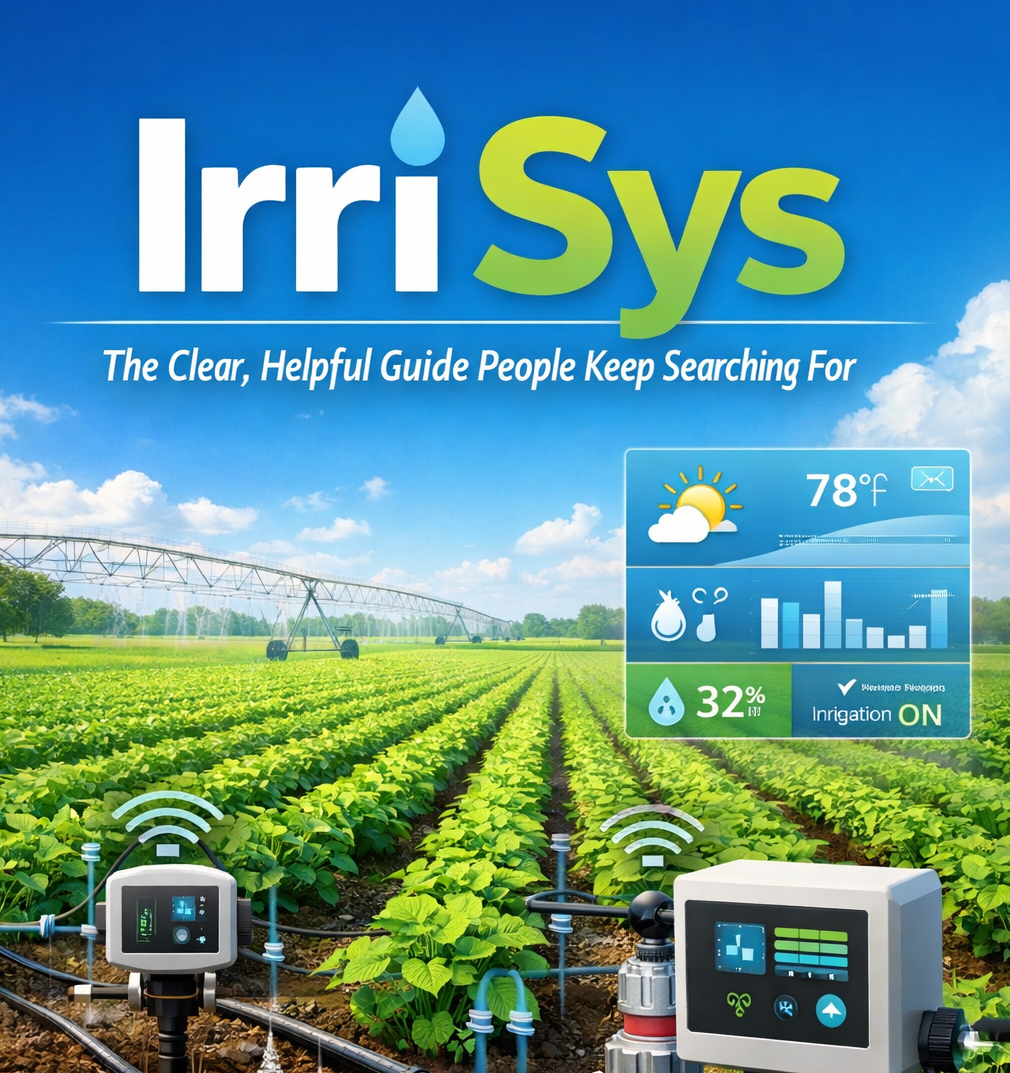
The term irri sys is often used as a short way to say “irrigation system.” In simple terms, it is a setup that moves water from a source to your plants in a planned, repeatable way. Instead of watering by hand and hoping it is enough, an irri sys gives you steady results. It can be basic, like a hose timer and a soaker hose. It can also be advanced, like a sensor-based system that adjusts watering when soil is already wet. The main goal stays the same: deliver water close to roots, reduce waste, and keep growth consistent. When watering is even, plants face less stress during heat, and soil stays healthier over time. This is why so many people search for irri sys when they want an easier, smarter routine.
Why an Irri Sys Matters More Than Ever
Water problems often look small, but they create big damage over time. Too much water can rot roots and invite fungus. Too little water can slow growth and weaken plants during hot weeks. A good irri sys helps you avoid both. It also saves time. Many people water by hand and guess the amount. Guessing usually leads to waste, especially in summer. An irri sys helps you water on a schedule that matches your space, your soil, and your plant type. It can also reduce runoff, which is when water flows away instead of soaking into the ground. That runoff often carries fertilizer and dirt with it. When your watering becomes controlled, your plants get stronger roots and you spend less effort repeating the same work every day.
Main Types of Irri Sys and When to Use Each
The best irri sys depends on what you grow and how your space is shaped. Drip irrigation delivers water slowly near the roots, which is great for gardens, shrubs, and trees. Sprinkler systems spray water over a wider area and often work best for lawns. Soaker hoses are simple and budget-friendly for small beds. Micro-sprayers and micro-jets are useful for raised beds and young trees where you want targeted spray without soaking everything. Subsurface drip places tubing under the soil to reduce evaporation, but it costs more and can be harder to repair. Many people also combine types, like using sprinklers for grass and drip for beds. This mixed approach often gives the best real-life results because each zone gets the watering style it actually needs.
- Drip linesBest for root-level watering and steady moisture in beds.
- SprinklersBest for lawns and open spaces that need even coverage.
- Soaker hosesEasy starter option for small gardens on a tight budget.
- Micro-sprayersGood for trees, raised beds, and targeted spray zones.
How Smart Irri Sys Systems Work
A smart irri sys uses data to water better. Instead of watering the same way every day, it adapts. Some controllers adjust based on weather, so rain can automatically reduce watering. Some setups use soil moisture sensors, which check if the ground already has enough moisture. This prevents overwatering and helps roots stay healthy. Many systems also support zones, so a sunny area can get more water while a shaded corner gets less. This matters because not every part of a yard dries at the same speed. Smart controllers often include app control so you can pause watering quickly if plans change. In my experience, smart scheduling helps most when you manage many zones, travel often, or want better control without standing outside with a hose.
Key Parts of an Irri Sys You Should Know
Understanding the parts helps you choose the right irri sys and avoid waste. Every system begins with a water source, like a city line, well, tank, or pump. Many systems need pressure control because drip lines prefer lower pressure than sprinklers. Filtration is crucial, especially for drip, because tiny particles can clog emitters. Next comes a mainline pipe or tubing that carries water. Valves open and close each zone, and the controller tells valves when to run. Finally, the system delivers water using emitters, drip tape, or sprinkler heads. A well-built irri sys also includes small but important items like end caps, stakes, and proper connectors. When these basics are done right, your watering stays consistent and repairs stay simple.
Planning Your Irri Sys: Three Checks That Prevent Mistakes
Before buying parts, do three checks. These checks protect your time and money. First, check water pressure. High pressure causes misting and waste, while low pressure causes weak coverage. Second, check water quality. If you have sand, rust, or hard water, filtration becomes a must, especially for drip. Third, check your soil type. Sandy soil drains fast, so it needs shorter watering cycles more often. Clay soil holds water longer and needs slower watering with breaks. When you match your irri sys to these three realities, your setup works better from day one. Even a simple drawing of your space helps. It also helps you group plants with similar needs into the same zone, which makes scheduling easier and more accurate.
Step-by-Step: How to Set Up a Simple Irri Sys at Home
You can build a basic irri sys in one weekend. Start by choosing zones. A zone is an area watered by one valve or timer. Keep zones simple at first. Separate lawns from garden beds. Next, choose delivery type. Drip is great for beds and sprinklers work well for lawns. Install a filter and pressure regulator if you use drip. Lay the main tubing first, then branch into smaller lines. Place emitters near plant roots, not directly on the stem. Secure lines using stakes and avoid tight bends. Then test the system. Look for leaks, weak flow, or dry spots. Adjust spacing if needed. Finally, set your schedule early in the morning to reduce evaporation. This simple process makes your irri sys reliable and easy to expand later.
Irri Sys for Lawns vs Gardens vs Farms
A lawn and a garden need different watering styles, so your irri sys should match the space. Lawns often do best with sprinklers that spread water evenly across grass. Gardens usually do better with drip irrigation because it waters roots while keeping leaves drier. Dry leaves reduce the risk of many plant diseases. For farms and larger growing areas, the choice depends on crop type, spacing, and water supply. Orchards often use drip or micro-sprayers. Row crops often use drip tape, paired with solid filtration. Maintenance also changes by system type. Sprinklers need head alignment and seasonal checks. Drip systems need filter cleaning and flushing. If you have mixed areas, a hybrid setup is often the smartest and most cost-friendly choice.
Costs: What an Irri Sys Can Look Like in Real Life
The cost of an irri sys depends on size, zones, and the level of control you want. A small starter setup using a timer and soaker hoses is usually more affordable than a multi-zone sprinkler build. Full-yard systems cost more because of trenching, valves, fittings, and zone planning. Smart controllers add cost, but they can reduce waste and prevent overwatering when rain or soil moisture changes. One practical tip is to budget for maintenance items too. Filters, spare connectors, and extra emitters are small costs that prevent big problems. If you feel unsure, start with your most important zone first. Then expand later. That approach keeps spending under control and helps you learn what your space truly needs from an irri sys.
Complete Table: Irri Sys Options at a Glance
Use this table to compare common irri sys choices. It highlights best use cases, biggest benefits, and what to watch out for so you can pick a setup that fits your goals and daily routine.
| Irri Sys Type | Best For | Big Benefits | Watch Outs | Ease Level |
|---|---|---|---|---|
| Drip Drip irrigation |
Gardens, shrubs, trees | Root-level watering, less waste, healthier soil | Needs filtration; clogs if water is dirty | Medium |
| Tape Drip tape |
Row crops, long beds | Fast install, low cost per area, steady flow | Can tear; requires clean water and flushing | Medium |
| Spray Sprinklers |
Lawns, open spaces | Even coverage, neat look, quick area watering | Wind drift; evaporation; head alignment needed | Medium–High |
| Budget Soaker hose |
Small beds | Simple, affordable, easy starter setup | Uneven flow; shorter lifespan | Low |
| Micro Micro-sprayers |
Raised beds, young trees | Targeted spray, flexible placement | Can mist in wind; needs tuning | Medium |
| Smart Smart controller |
Any system | Better scheduling, less waste, zone control | Needs correct setup and stable connection | Medium |
| Sensor Moisture sensors |
Lawns and gardens | Waters only when needed, protects roots | Placement matters; needs calibration | Medium |
Best Watering Schedule for an Irri Sys (Made Simple)
A strong schedule is not about watering every day. It is about watering the right amount at the right time. Most people get better results when they water early in the morning because wind and heat are lower. For lawns, deeper watering less often helps roots grow deeper and makes grass more resilient. For gardens, drip watering can run more often but for shorter cycles, depending on soil. Sandy soil needs shorter cycles more often. Clay soil needs slower watering with breaks so water can soak in. A smart irri sys can adjust schedules based on rain or soil moisture, but you should still check results in real life. A simple finger test helps. If the soil is dry two inches down, plants likely need water. If it is moist, wait and save water.
Common Irri Sys Problems and Easy Fixes
Most irri sys problems are easy to fix once you know what to look for. Drip systems often face clogging. This usually happens when filtration is missing or not cleaned often. Flushing lines and cleaning filters can restore flow fast. Leaks are another common issue. Leaks often appear at connectors or cracked tubing, especially after heat exposure. Use proper fittings and clamps so repairs hold. Sprinkler systems often struggle with misaligned heads. A head that sprays too far wastes water, and a head that sprays too short leaves dry spots. Adjust spray direction and check coverage. If pressure feels low, your zone may be too large. Split it into smaller zones for stronger performance. When you maintain your irri sys monthly, small issues stop becoming big problems.
How to Make Your Irri Sys More Water-Efficient
If you want the biggest improvement, focus on water efficiency. Start with mulch in garden beds because it reduces evaporation and keeps soil cooler. Next, avoid runoff. If water runs off the surface, you are watering too fast. Use shorter cycles with breaks so water soaks in. This is often called cycle-and-soak. For sprinklers, match heads to pressure because high pressure creates mist that blows away. For drip, use a pressure regulator and a filter so emitters stay clean. A smart irri sys controller can also skip watering after rain and reduce waste in unpredictable weather. One strong upgrade is zoning by sun exposure. Sunny zones need more water than shaded zones. When zones match real conditions, your irri sys becomes more accurate and far more cost-friendly.
Real Examples: Choosing the Right Irri Sys
Real examples make choices easier. If you have a lawn plus a few flower beds, a hybrid irri sys is often best. Use sprinklers for grass and drip lines for beds. If you have a vegetable garden, drip is usually the top choice because it waters roots and keeps leaves drier. If you have fruit trees, micro-sprayers or drip rings can work well, and you can widen coverage as trees grow. If you manage a small row-crop area, drip tape and strong filtration help keep watering steady over long beds. In my experience, many people get better results by starting small. Build one zone, test it, and then expand. That approach keeps costs under control and helps you learn what your space truly needs from an irri sys.
FAQs
These quick answers cover the most common questions people ask when setting up or improving an irri sys. Each answer is short, clear, and focused on real-life use.
What is an irri sys used for? ▾
Is a smart irri sys worth it? ▾
How often should I run an irri sys? ▾
Does drip irrigation clog easily? ▾
What is the biggest mistake people make? ▾
Can I install an irri sys myself? ▾
Conclusion
A great irri sys is built on simple ideas: plan your zones, match watering to soil, and keep delivery consistent. When you water the right way, plants grow stronger roots and handle heat better. Start small with one zone if you want a safe approach. Test it, fix weak spots, and then expand. Add smart features only when they improve control and reduce waste. The best results come from clean setup and steady checks, not from expensive gear. If you want a simple next step, choose your most important area and design it today. Once you see the difference, building a full irri sys becomes easier and more rewarding.